Best Neighbourhoods in Vancouver for Young Professionals Who Don’t Want a Car
Why So Many Young Professionals in Vancouver Don’t Want a Car
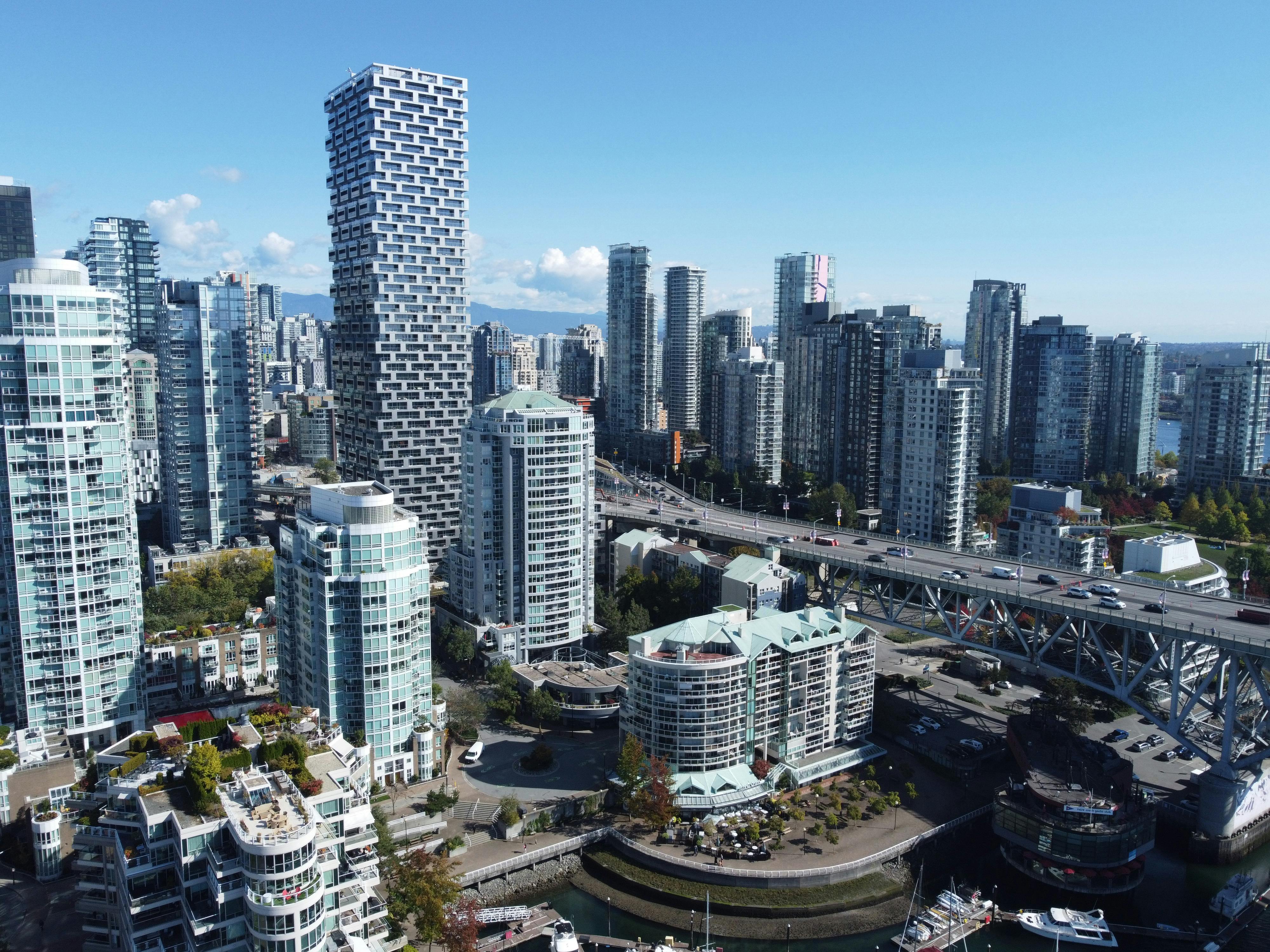
Buying real estate in Vancouver forces you to think differently about transportation than in most cities. I regularly remind clients that a single parking stall in a newer building can be worth anywhere from $50,000 to well over $100,000. That alone changes the conversation.
When parking carries that kind of price tag, it makes sense that many young professionals start asking whether owning a car is actually improving their life or just adding cost and complexity Between insurance, fuel, maintenance, strata fees tied to parking, and the limited use many urban owners get out of their vehicles, a car can feel more like an obligation than an asset.
Fortunately, Vancouver’s transit network, walkable neighbourhood design, and growing bike infrastructure have made it realistic for professionals to live comfortably without one. For buyers in their twenties and thirties, this often becomes a strategic decision rather than a lifestyle statement.
What matters is how well your neighbourhood supports daily life without friction. Can you get to work efficiently? Can you walk to groceries, coffee, fitness, and basic services? Can you access transit late at night without feeling isolated? These practical details shape long-term satisfaction far more than the idea of being “car-free” itself.
This is where real estate decisions start to matter. Not all neighbourhoods that look walkable on a map function equally well in practice. Some areas are transit-rich but lack everyday amenities. Others are lively during the day but inconvenient after business hours. As a Realtor, I see buyers succeed when they choose neighbourhoods that are structurally designed for car-light living, not just visually appealing.
This guide is not about promoting a trendy lifestyle. It’s a real estate strategy. The neighbourhoods below are places where I actively help clients buy and sell homes because they support long-term, low-friction living without a car. When the foundation of your daily movement is solid, everything else in your housing decision becomes simpler.
What Makes the Best Neighborhoods in Vancouver for Car-Free Buyers?
When people search for the best neighborhoods in Vancouver, they usually think in terms of restaurants, views, or general atmosphere. From a real estate perspective, car-free suitability is far more structural. It comes down to transit access, walkability, building design, and how parking is handled from a resale and investment standpoint.
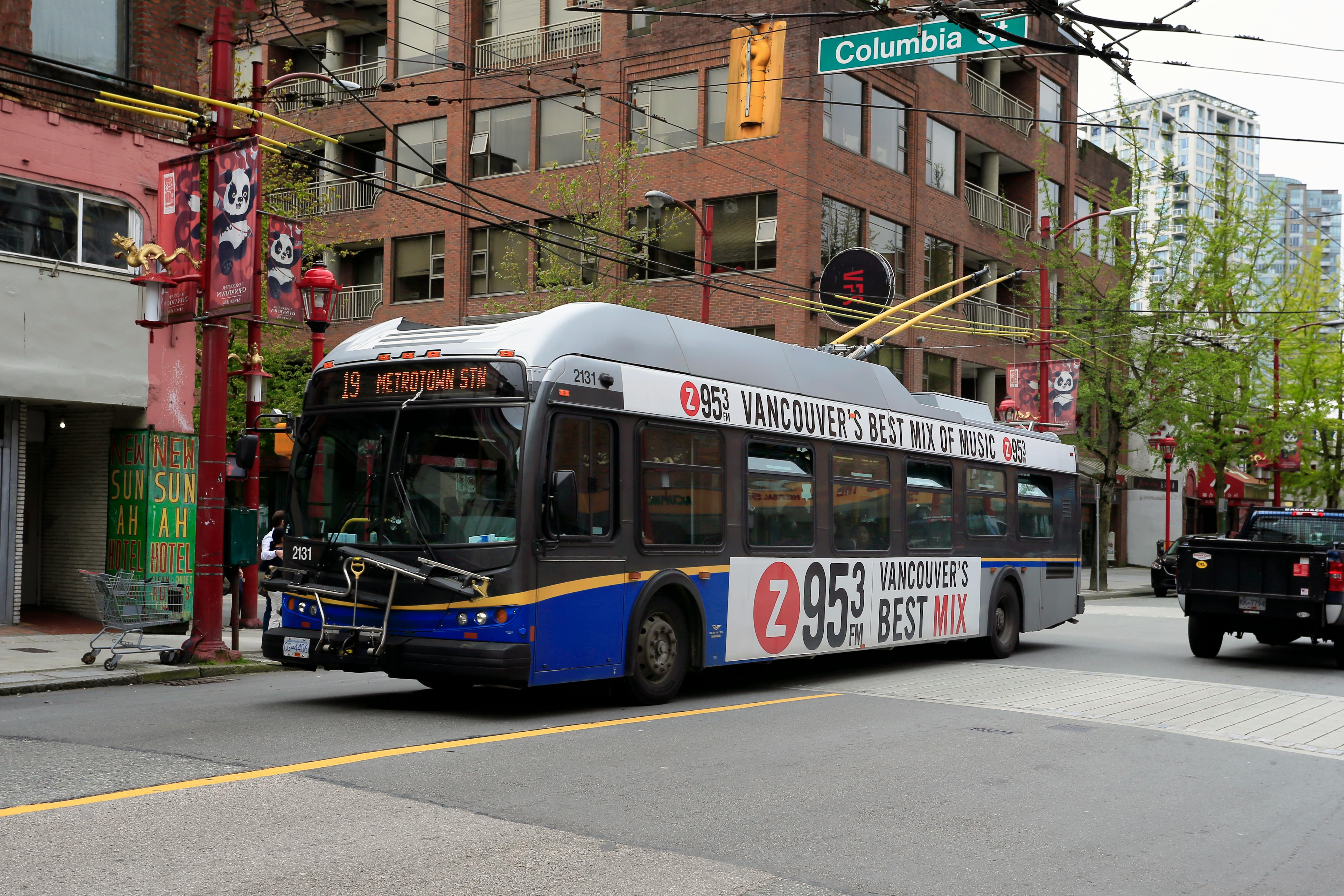
Transit is the backbone. Strong car-free neighbourhoods connect directly to SkyTrain lines such as the Canada Line, Expo Line, and Millennium Line, with future expansion coming from the Broadway Subway. Add in SeaBus access on the North Shore and key bus corridors like Broadway, Main, and Hastings, and you have mobility without dependence on a vehicle. When transit is reliable and frequent, buyers don’t feel boxed in by their location.
Walkability matters just as much. Daily life should function on foot: groceries, pharmacies, gyms, cafés, medical clinics, and basic retail. If these services require transit or ride-hailing every time, the neighbourhood stops being truly car-free friendly. Proximity to green space and the Seawall is a bonus, but essentials always come first.
Building stock is another major factor. High-rise condos with secure bike rooms, on-site car-share vehicles, and well-designed storage support car-free ownership well. Townhomes and low-rise buildings near rapid transit stations work too, especially when they sit inside dense service zones.
Parking requires a nuanced approach. “No car” does not automatically mean “no parking stall.” From a resale perspective, parking still matters. Tenants and future buyers often value flexibility, even if they don’t currently own a vehicle. In some buildings, units without parking trade at a discount that outweighs the savings upfront.
However, there are situations where buying without parking makes sense: prime downtown towers, transit-anchored buildings, and buildings with strong car-share programs. The key is understanding market liquidity. The best neighborhoods in Vancouver allow flexibility, not restrictions, and that’s what protects your investment long term.
Mount Pleasant (West & East): Breweries, Bikes, and Future SkyTrain
Who it fits: young professionals who want creative energy, strong walkability, and long-term transit upside without living directly downtown.
Mount Pleasant West and East are two of the most strategically positioned neighbourhoods in Vancouver for car-free buyers. I regularly work in these areas because they already function well without a vehicle and are about to become even more connected once the Broadway Subway line is completed. That future transit infrastructure alone makes this one of the smartest long-term neighbourhoods for young professionals.
Daily life flows effortlessly here. Main Street and Broadway give you grocery stores, cafés, breweries, gyms, medical offices, and coworking spaces all within walking distance. Most clients living here handle their full week without needing to plan transportation at all. That’s the difference between being “car-free” and actually living comfortably without a car.
The building stock is unusually diverse. I sell lofts in converted industrial buildings, newer concrete condos, townhomes, and small boutique developments. That range gives buyers flexibility depending on whether they want character, efficiency, or future appreciation.
Parking is more variable. Some buildings have limited stalls and rely on street permit zones. For buyers who plan to remain car-free long-term, units without parking can make financial sense, especially near future SkyTrain stations. That said, I usually advise clients to think ahead. Mount Pleasant attracts a wide buyer pool, and parking still strengthens resale value and flexibility, even if you don’t use it today.
This neighbourhood fits buyers who want movement, creativity, and infrastructure growth working in their favour.
Kitsilano & Fairview: Active, Beach-Friendly, and Well-Connected
Who it fits: professionals who care as much about daily lifestyle and outdoor access as they do about commute efficiency.
Kitsilano and Fairview appeal to buyers who want their neighbourhood to shape how they live, not just how they travel to work. Proximity to the Seawall, beaches, fitness studios, and bike routes changes daily routines. These areas support walking and cycling as part of normal life, not as a planned activity.
Transit is bus-based rather than SkyTrain-based, but it is reliable and direct. Broadway connects efficiently to downtown and will become even stronger with the Broadway Subway extension. For many professionals working hybrid schedules, this level of connectivity is more than enough.
Housing is dominated by low-rise condo buildings, older apartment conversions, and some townhomes. New boutique projects are becoming more common and offer modern layouts without the density of towers. I often help clients choose between character buildings and newer developments, depending on how much they value building efficiency versus charm.
Parking varies widely. Some older buildings offer surface parking or limited underground stalls. Newer developments are more standardized. From a resale standpoint, parking still matters, but demand for non-parking units remains strong because buyers prioritize location, walkability, and lifestyle over vehicle ownership.
Kitsilano and Fairview are ideal for buyers who want a nice balance between productivity, health, and accessibility.
Lower Lonsdale: Car-Free on the North Shore with the SeaBus
Who it fits: professionals who want mountain access and waterfront living while still maintaining a simple commute to downtown Vancouver.
Lower Lonsdale is one of the few areas on the North Shore where car-free living genuinely works. The SeaBus provides a direct, predictable connection to downtown that avoids bridge congestion and traffic variability. For many professionals, it becomes one of the most reliable commutes in the region.
Daily life is highly walkable. The Shipyards District, grocery stores, cafés, medical clinics, and fitness studios are clustered tightly. Most errands can be completed without transit at all. That level of convenience is rare outside Vancouver proper.
The housing stock consists mainly of newer condo buildings and townhome developments. These usually offer stronger storage options, larger bike rooms, and better overall infrastructure for active lifestyles.
Parking and storage matter here even for car-free buyers. Many people living in Lower Lonsdale own bikes, skis, paddleboards, or hiking gear. Buildings usually accommodate this well. I often recommend buying with parking even if you don’t need it immediately, simply because it protects future flexibility and resale demand.
Lower Lonsdale works for buyers who want nature and city access without choosing between them.
Best Neighborhood to Stay in Vancouver First (If You’re Testing Areas)
If you are even slightly unsure about where you want to buy, staying in a neighbourhood before committing is one of the smartest steps you can take. From a Realtor’s point of view, short-term living gives you information that no showing or listing description can. It shows you how a neighbourhood actually functions when you remove the “first impression” filter. This is especially important if you plan to live without a car. What feels convenient during the day can feel very different at night, in bad weather, or when your schedule changes.
When clients ask me about the best neighborhood to stay in Vancouver before buying, I always base it on how they expect their daily routine to look long-term.
If your job is likely to be downtown or in the financial district, stay in Downtown Vancouver or Yaletown. You will experience what true zero-commute living feels like. Pay attention to how often you walk versus use transit, how the building feels during peak hours, and whether density energizes you or becomes tiring.
If you’re testing a mix of work and lifestyle, Mount Pleasant, Kitsilano, or Fairview are better options. These neighbourhoods show you how hybrid living functions. You’ll learn how often you rely on buses or bikes, whether grocery runs feel easy, and how much movement fits into your day naturally.
If you’re considering the North Shore, stay in Lower Lonsdale. This lets you test the SeaBus as part of your routine and see how reliable it feels in different seasons. You’ll also get a sense of whether the community scale suits you compared to Vancouver proper.
While staying anywhere, focus on practical details. Notice noise levels at night, lighting on your walk home from transit, how crowded sidewalks feel, and how easy it is to carry groceries without effort. These are the things that determine whether car-free living feels effortless or inconvenient over time.
How an Experienced Vancouver Realtor Helps You Go Car-Free (Without Regretting It Later)
Going car-free is not just about removing a vehicle from your life. It is about designing a housing decision that reduces daily friction while protecting your future options. My role is to make sure your choice works not only for how you live today, but for how your life may change over the next five to ten years.
The process starts with understanding how you actually move through your week. Where do you work? How flexible is your schedule? Do you rely on transit late at night? How often do you carry groceries, gym gear, or equipment? These details shape which neighbourhoods and building types will support you best. A car-free lifestyle succeeds when movement feels natural, not planned.
Building selection matters just as much as location. Some condos or apartments look perfect on paper but fail in daily use because bike rooms are inconvenient, storage is inadequate, or transit access requires multiple transfers. I help clients focus on buildings that make walking, cycling, and transit feel intuitive rather than complicated.
I often see buyers initially drawn to Yaletown for its polish and amenities, only to realize that their budget, dog ownership, and desire for quieter streets make the West End a better fit. It offers strong walkability, easier access to green space, and a more relaxed daily rhythm without sacrificing downtown proximity.
I also regularly guide clients away from buildings with poor bike infrastructure. Secure, accessible bike rooms are not a bonus for car-free owners; they are essential. When storage is inconvenient, people slowly drift back toward vehicle ownership out of frustration.
The goal is not simply to avoid owning a car. The goal is to remove daily barriers. When done properly, transportation fades into the background. You stop thinking about logistics and start experiencing your neighbourhood as an extension of your home.
That is what makes a car-free purchase successful long-term.
Talk to Pete Shpak About the Best Neighborhoods in Vancouver for Your Lifestyle
There is no single answer to the best neighborhoods in Vancouver, and there is no universal “best” option across Vancouver, B.C. The right neighbourhood depends on how you work, how you move, and what you want your days to feel like. The best choice is the one that supports your routine without adding effort or compromise.
If you are exploring the best neighborhoods in Vancouver, B.C., for a car-free lifestyle, the most important step is clarity. Understanding your commute patterns, your budget comfort zone, your building preferences, and how flexible you want your future options to be will shape every decision that follows in your journey to buying a home.
I encourage you to start by sharing what matters most to you. Tell me where you work, how often you move through the city, and what you want daily life to look like. From there, we can narrow your search to two or three neighbourhoods that genuinely fit your lifestyle instead of trying to force yourself into areas that only look good on paper.
You can also use the Vuppie Search Tool to explore real listings in these neighbourhoods and compare building types, pricing, and availability in real time.
If you are ready to start refining your options, reach out to me, Pete Shpak, for a focused strategy conversation and a custom MLS search built around how you live, not just what you can afford.