Loft vs Condo vs Townhome: Which Home Type Fits Your Lifestyle?
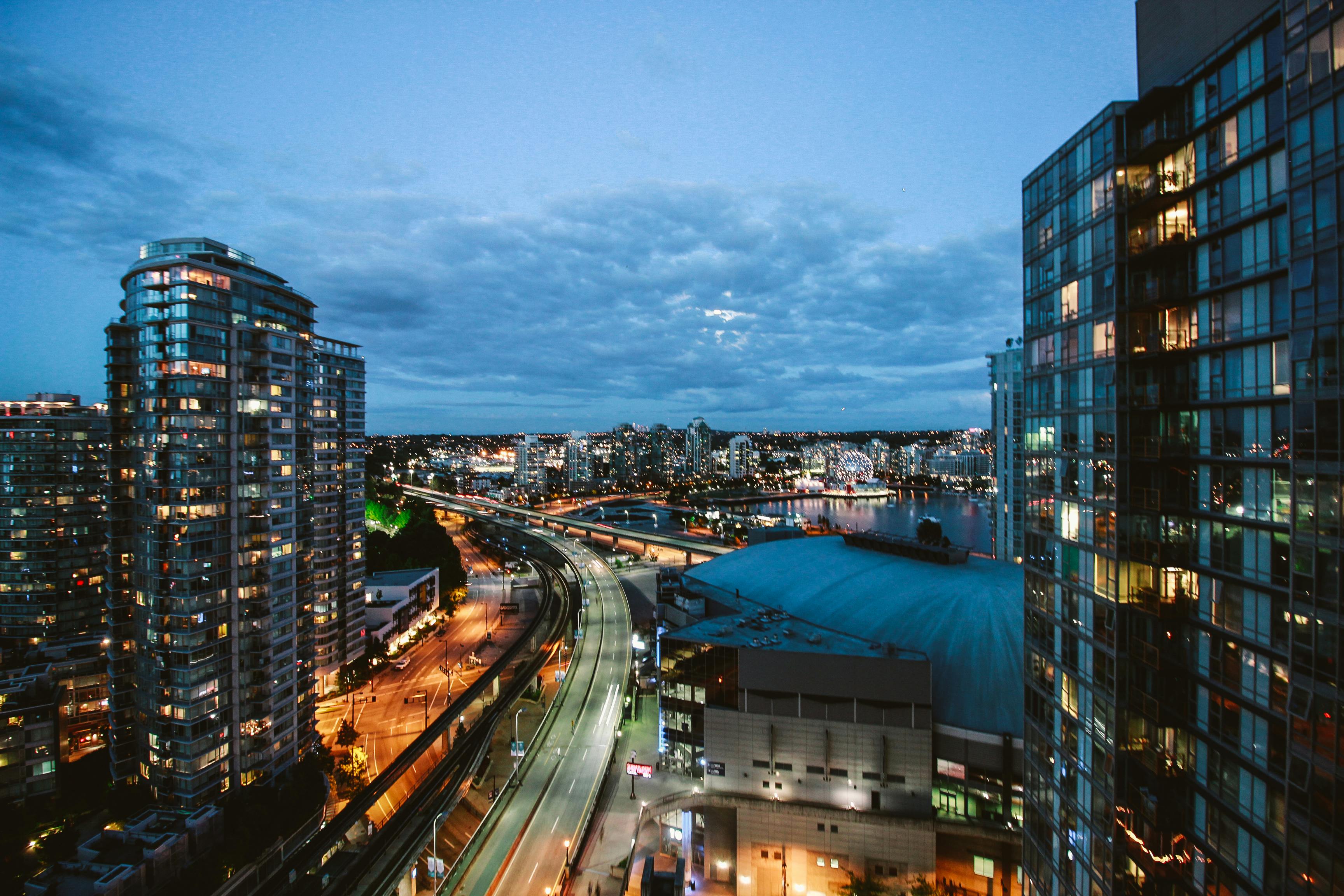
Choosing a home in Vancouver isn’t just about where you live—it’s about how the space supports your daily routine, long-term plans, and comfort. From warehouse-style lofts to high-rise condos and ground-oriented townhomes, each home type comes with trade-offs that aren’t always obvious in listing photos.
This guide breaks down how these options compare in Vancouver’s market.
Why Your Home Type Matters as Much as Your Neighbourhood in Vancouver
In Vancouver, buyers often lead with neighbourhood first. They zero in on Kitsilano versus Mount Pleasant, or Downtown versus Lower Lonsdale, and only later start thinking about what kind of home actually supports their day-to-day life. Pete Shpak sees this pattern all the time. Buyers fall in love with a postal code, but don’t always stop to ask how they’ll live inside the space once the excitement of the location wears off.
In a market like Vancouver’s—where land is limited, density is high, and housing stock varies dramatically by block—the difference between a loft, condo, or townhome goes far beyond aesthetics. Noise transfer, storage limitations, parking realities, and even elevator wait times can shape daily life far more than people expect. Two homes on the same street can feel completely different depending on how they’re built and managed.
Home type also plays a major role in long-term value. Strata fees, maintenance responsibilities, and buyer demand can shift significantly depending on whether you’re in a high-rise condo, a ground-oriented townhome, or a converted warehouse loft. These factors affect resale, rental appeal, and how flexible the property will be as your lifestyle changes.
The goal of this guide is to help Vancouver buyers look past labels and understand how different home types function in real life. By breaking down loft vs condo vs townhome vs apartment from a real estate perspective, Pete helps clients choose homes that fit how they live today, while still making sense financially for tomorrow.
Loft vs Condo vs Townhome vs Apartment: What Each Really Means in Vancouver
When people talk about townhome vs condo vs apartment, the terms are often used interchangeably. In Vancouver, though, each has a specific meaning that affects ownership, cost, and daily experience.
Lofts in Vancouver are typically found in areas like Gastown, Mount Pleasant, and parts of False Creek. Many are conversions of older industrial or commercial buildings, though newer “loft-style” units exist as well. True lofts usually feature open layouts, higher ceilings, large windows, and architectural character. Bedrooms may be partially enclosed or open to the main living space, which affects privacy and noise.
Condos are the most common form of home ownership in the city. They can be found in high-rise towers downtown and in low-rise or mid-rise buildings throughout neighbourhoods like Yaletown, Kitsilano, Fairview, and Burnaby’s urban centres. Condos are single-level strata units, often with shared amenities and centralized building systems.
Townhomes are multi-level strata homes that feel more like traditional houses. In Vancouver, they’re common in Fairview, Mount Pleasant, Lower Lonsdale, and along quieter residential streets. Townhomes often have separate entrances, multiple floors, and more defined living and sleeping areas.
Apartments are a more casual term that usually refers to rental housing. The key distinction is ownership: condos and townhomes are owned, while apartments are typically rented. This distinction matters for financing, strata governance, and long-term investment potential.
Parking setups vary widely. Condos often come with underground strata parking, sometimes one stall or none at all. Townhomes may include a garage, tandem parking, or surface stalls. Older loft buildings can have limited or no parking, which is a critical factor in Vancouver’s resale market.
Condo vs Townhome: How Vancouver Buyers Should Really Compare Them

Space, Layout, and Privacy
When comparing condo vs townhome, space and layout are often the first differences buyers notice. Condos offer single-level living, which appeals to those who prefer everything on one floor. However, this also means neighbours above, below, and beside you, which can translate into more noise depending on building quality.
Townhomes generally provide more square footage and a clearer separation of space. Bedrooms are often on a different level from living areas, which works well for couples with different schedules, roommates, or anyone planning for future family needs. The vertical layout creates more privacy and can make the home feel calmer, even if the overall size isn’t dramatically larger.
From Pete’s perspective, layout matters as much as square footage. A well-designed 900-square-foot townhome can feel more livable than a 1,100-square-foot condo with an awkward floor plan and limited storage.
Amenities vs Independence
Condos often come with shared amenities such as gyms, pools, concierge services, lounges, and rooftop decks. These features can be appealing, especially for buyers who enjoy a more serviced lifestyle. The trade-off is higher strata fees and less control over how shared spaces are managed.
Townhomes usually offer fewer shared amenities, if any. Instead, they provide a more independent, house-like experience. Many have direct street or courtyard access, which reduces reliance on elevators and common hallways.
Pete advises clients to be honest about whether they’ll actually use amenities. If a gym or concierge replaces other monthly expenses, the strata fees may make sense. If not, buyers may be paying for features that look good in listings but add little real value.
Parking, Storage, and Future Resale
Parking is one of the biggest practical differences between condos and townhomes. Many condos come with one parking stall or none at all, especially in newer downtown developments. Townhomes are more likely to include at least one dedicated stall, sometimes two.
Storage is another consideration. Condos often rely on separate storage lockers, while townhomes may have in-unit storage, garages, or crawl spaces. EV charging is becoming increasingly important, and townhomes often offer more flexibility for future upgrades.
Pete regularly reminds buyers that even if they don’t own a car today, parking matters for resale and rental appeal. In Vancouver’s competitive market, homes with parking tend to attract a wider pool of future buyers and tenants.
When a Loft Makes Sense (and When It Doesn’t) in Vancouver
Lofts appeal to a specific type of buyer, and when they work, they work exceptionally well. Creatives, remote workers, and buyers who value character over conventional layouts often gravitate toward lofts. The open space, ceiling height, and natural light can make even smaller footprints feel expansive.
In Vancouver, lofts shine in areas like Gastown, Mount Pleasant, False Creek, and select Yaletown conversions. These neighbourhoods offer a mix of walkability, transit access, and cultural energy that complements loft living.
From a lifestyle standpoint, lofts offer flexibility. Open layouts can accommodate home offices, studios, or entertaining spaces without rigid room divisions. The architectural details—exposed brick, concrete, or beams—add a sense of individuality that’s hard to replicate in newer builds.
That said, lofts come with trade-offs. Noise can travel easily in open spaces, and privacy is limited when bedrooms aren’t fully enclosed. Storage is often minimal, and some loft buildings have unique strata rules or financing challenges due to their conversion status.
Parking is a major consideration. Some loft buildings offer limited stalls or none at all. Pete evaluates these carefully, looking at neighbourhood parking availability, buyer demand, and resale history before recommending a loft to a client.
Townhome vs Condo vs Apartment: Matching Home Types to Real Vancouver Lifestyles
Downtown Office, Long Hours, Minimal Commute
For buyers working long hours in Downtown Vancouver, condos or lofts in areas like Yaletown, the West End, or Coal Harbour often make the most sense. Proximity to the office, restaurants, and transit can outweigh the need for extra space.
Parking may be unnecessary in these cases, but building quality becomes critical. Pete advises focusing on strata history, soundproofing, elevator reliability, and overall maintenance. Noise from neighbours or street traffic can quickly become an issue for buyers who value quiet downtime.
Hybrid Work and Weekend Outdoors
Hybrid workers and outdoor enthusiasts often benefit from townhomes or larger condos in neighbourhoods like Mount Pleasant, Fairview, Kitsilano, or Lower Lonsdale. These areas balance access to downtown with parks, trails, and community amenities.
Storage becomes more important here—space for bikes, gear, and a dedicated home office can significantly improve quality of life. Pete notes that these neighbourhoods tend to offer better long-term flexibility, accommodating job changes, remote work, or evolving family plans.
Growing Family or Planning for Kids
For buyers planning for children, townhomes or ground-oriented condos near parks and schools are often the best fit. Multi-level layouts allow for separation between living and sleeping areas, while direct access makes strollers and daily routines easier.
Parking and storage are key considerations, as is noise between units. Pete encourages buyers to review strata minutes for recurring noise complaints, family-friendly bylaws, and any restrictions that could affect daily life.
Investor or Future-Rental Buyer
From an investment standpoint, certain home types rent more consistently. Well-located condos with in-suite laundry and parking tend to attract young professionals quickly. Townhomes appeal to families and longer-term tenants but may have a smaller renter pool.
Pete often cautions investors against prioritizing aesthetics over fundamentals. An “Instagram loft” may look great online, but a well-laid-out condo with parking can be a more bulletproof rental in Vancouver’s market.
How Pete Helps Clients Decide Between Condo vs Townhome (and Everything In Between)
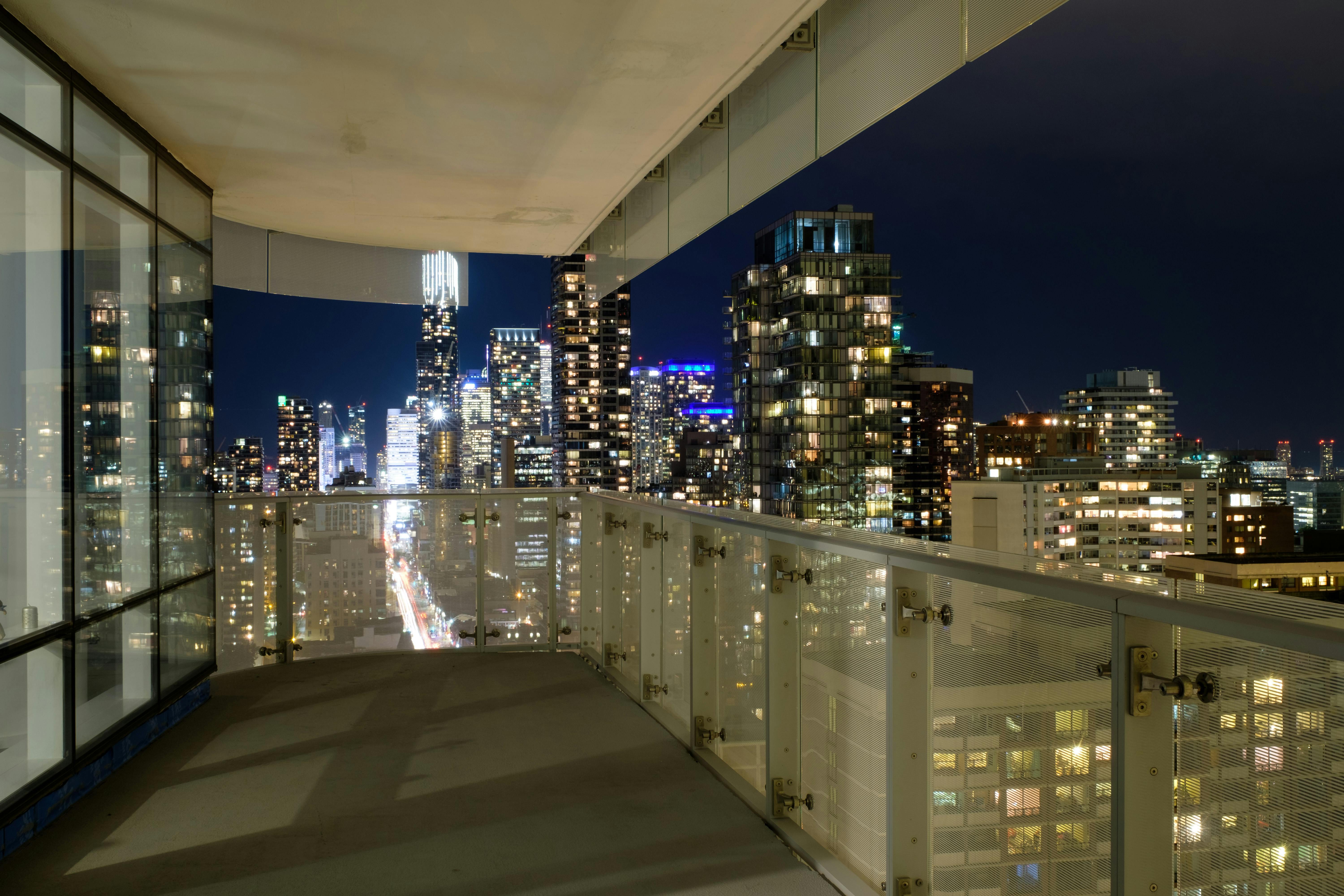
When clients are weighing condo vs townhome options, Pete starts by clarifying non-negotiables. Pets, outdoor space, noise tolerance, commute time, and storage needs all shape the decision more than buyers initially realize.
Next, Pete reviews recently sold data so clients can see real price differences between lofts, condos, and townhomes in the same neighbourhood. This helps ground expectations and highlights trade-offs between space, location, and amenities.
One of Pete’s most effective strategies is touring multiple home types in a single afternoon. Experiencing a loft, a condo, and a townhome back-to-back allows buyers to feel the differences rather than just reading about them.
Ultimately, Pete emphasizes that it’s not about choosing the “right” label. It’s about making a confident decision that aligns with how clients live now and how they may want to live in the future.
See Lofts, Condos, and Townhomes Across Vancouver with Pete Shpak

Lofts, condos, and townhomes each serve different lifestyles and stages of life in Vancouver. The best choice depends on how you use your space, what you value day to day, and how much flexibility you want down the road.
If you’re deciding between home types, working with a realtor who understands these nuances can save time and prevent costly missteps. Pete Shpak helps buyers compare options clearly, using real data and hands-on experience across Vancouver’s core neighbourhoods.
If you’re still debating loft vs condo vs townhome, reach out to Pete Shpak, Vancouver Realtor, and share your budget and ideal day-to-day routine. He can also set you up on the Vuppie Search Tool to explore real-time listings by area and home type—from Downtown and Yaletown to Mount Pleasant, Kitsilano, and Lower Lonsdale.
Send Pete a quick message and get a short list of homes that fit how you live—not just how the listing photos look.